The Ultimate Lip Liner Shade Matching Guide: Pairing Perfect Lip Liners with Every Lipstick Color
By MORPHE | Published: 2026-06-07
Category: How-to Guides
Learn how to match lip liner to lipstick like a pro. This complete shade-matching guide covers nude, red, berry, pink, and bold lip colors with expert tips and product recommendations.
Lip liner is the unsung hero of a flawless lip look. It defines the lip shape, prevents feathering, and extends the wear of your lipstick. But the number one mistake people make? Choosing a lip liner shade that clashes with their lipstick. Whether you're aiming for a seamless nude pout or a bold crimson statement, mastering lip liner shade matching is essential. In this complete shade-matching guide, we'll walk you through how to pair the best lip liner for lipstick across every color family, from nudes to brights, and share pro tips to elevate your lip game.
Why Lip Liner Shade Matching Matters
A mismatched lip liner can ruin an otherwise perfect lipstick application. A liner that's too dark creates an unblended ring, while one that's too light offers no definition. The goal is harmony: your liner should seamlessly blend into your lipstick, whether you want a natural look or a defined, ombré effect. This lip liner color guide will help you understand undertones, intensity, and finish so you can confidently choose the right liner every time.
How to Match Lip Liner to Lipstick: The Golden Rules
1. Match the Undertone, Not Just the Shade
Lipsticks have warm, cool, or neutral undertones. Your lip liner should follow suit. For a warm-toned coral lipstick, choose a liner with peachy or golden undertones. For a cool-toned berry, pick a liner with blue or violet undertones. This ensures a natural, blended look.
2. Go One Shade Darker for Definition
A classic pro trick: choose a liner that is one shade darker than your lipstick. This provides subtle definition without creating a harsh line. For nude lipsticks, a liner that matches your natural lip color (or slightly deeper) works beautifully.
3. Use a Clear or Neutral Liner for Versatility
If you frequently switch lip colors, a clear or universal nude liner is a lifesaver. It defines the lips without dictating color, allowing any lipstick to shine. However, for bold or dark shades, a matching colored liner is still recommended for best results.
Best Lip Liner Shades for Common Lipstick Colors
Here's a quick-reference table for pairing lip liners with popular lipstick families:
| Lipstick Color Family | Best Lip Liner Undertone | Example Liner Shade |
|---|---|---|
| Nude / Beige | Warm or neutral | Mauve nude, terracotta nude |
| Pink (baby, rose, fuchsia) | Cool or neutral | Rose pink, dusty mauve |
| Red (true, blue-red, orange-red) | Match the red's undertone | True red for blue-reds, brick for orange-reds |
| Berry / Plum / Wine | Cool / violet | Deep berry, aubergine |
| Coral / Peach | Warm / golden | Warm peach, coral nude |
| Brown / Chocolate | Warm or neutral | Espresso, warm brown |
Lip Liner Shade Matching by Lipstick Finish
Matte Lipstick
Matte formulas are long-wearing but can be drying and prone to feathering. A well-matched lip liner creates a crisp border and prevents bleeding. For matte shades, opt for a liner that is slightly creamier than the lipstick to allow for blending at the edges. A classic red matte lip, for instance, pairs perfectly with a matching red liner—but you can also experiment with a darker liner for a 90s-inspired look.
Glossy or Cream Lipstick
Glossy lipsticks are more slippery, so a liner is crucial to keep the color in place. Choose a liner with a waxy, long-wearing formula. Since glossy lips often appear lighter, you can go a shade darker with the liner to anchor the look. For cream formulas, a liner that matches the lipstick's base color works best.
Liquid Lipstick
Liquid lipsticks are usually highly pigmented and long-lasting. Lining before application helps define the shape and prevents the liquid from bleeding into fine lines. Use a liner that is as close to the liquid lipstick shade as possible, or use a clear liner for a natural finish.
Pro Tips for Flawless Lip Liner Application
- Start with exfoliated, hydrated lips. Dry flakes will ruin any liner application. Use a lip scrub and balm before starting.
- Outline the Cupid's bow first. This creates symmetry and precision. Then trace the rest of the lip line.
- Fill in the entire lip with liner. This creates a base that extends lipstick wear and prevents the color from fading unevenly.
- Blend the liner inward with a brush or fingertip before applying lipstick for a seamless gradient.
- Use concealer to clean up edges. After applying liner, use a tiny brush and concealer to sharpen the outline.
Lip Liner Beyond Lipstick: Creative Uses
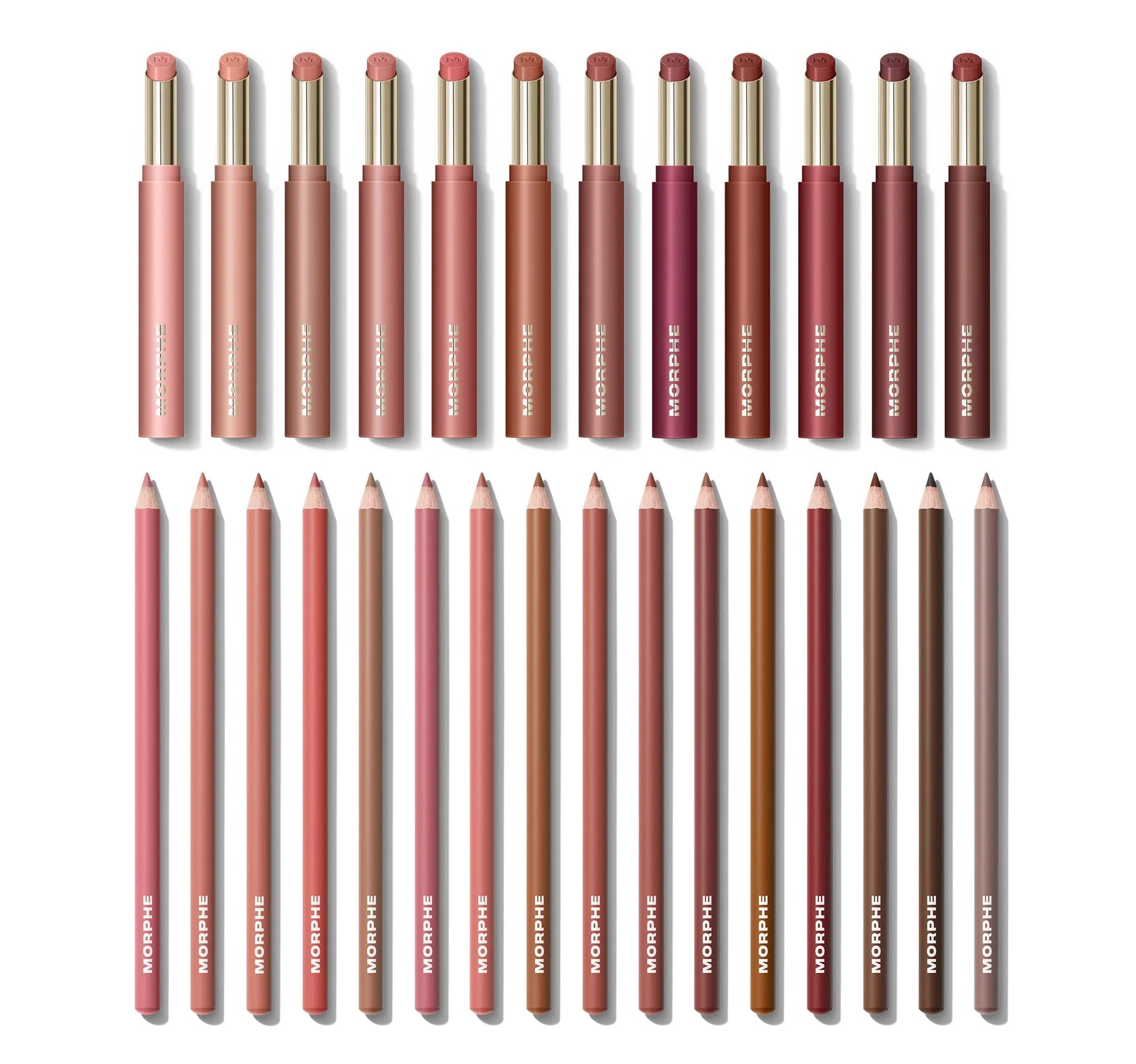
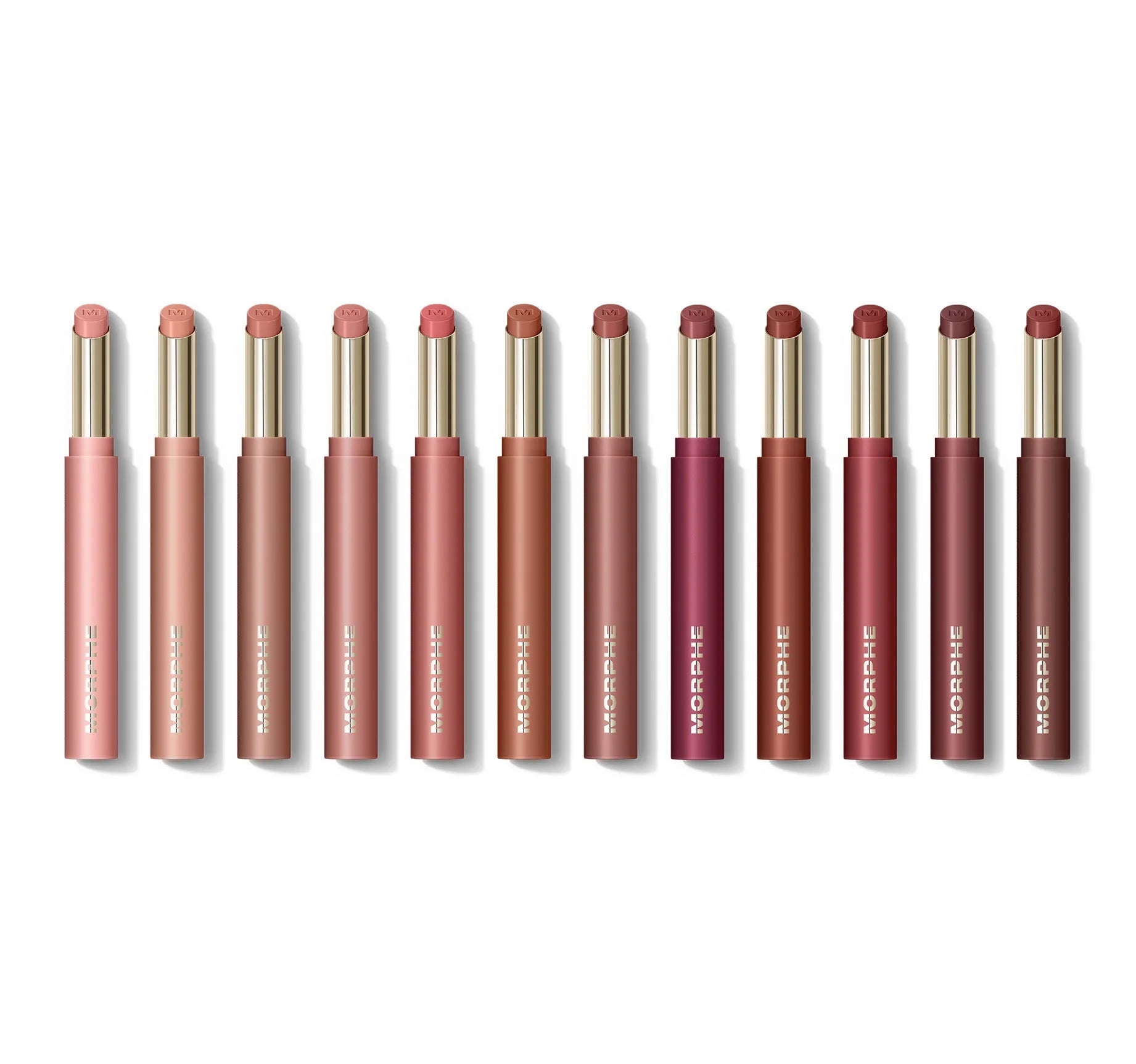
Lip liner isn't just for pairing with lipstick. You can wear it alone for a matte, natural lip look, or use it to create a base for gloss. For a modern, plump effect, apply a liner slightly outside your natural lip line (overlining) and fill with a lighter shade of lipstick or gloss. The Lip Filter Hydroplump Soft Matte Lipstick is a fantastic option for a plush, matte finish that pairs beautifully with a matching liner—try a dusty rose liner for a chic everyday look.
How to Choose the Right Lip Liner Texture
Lip liners come in different textures, and the right one depends on your needs:
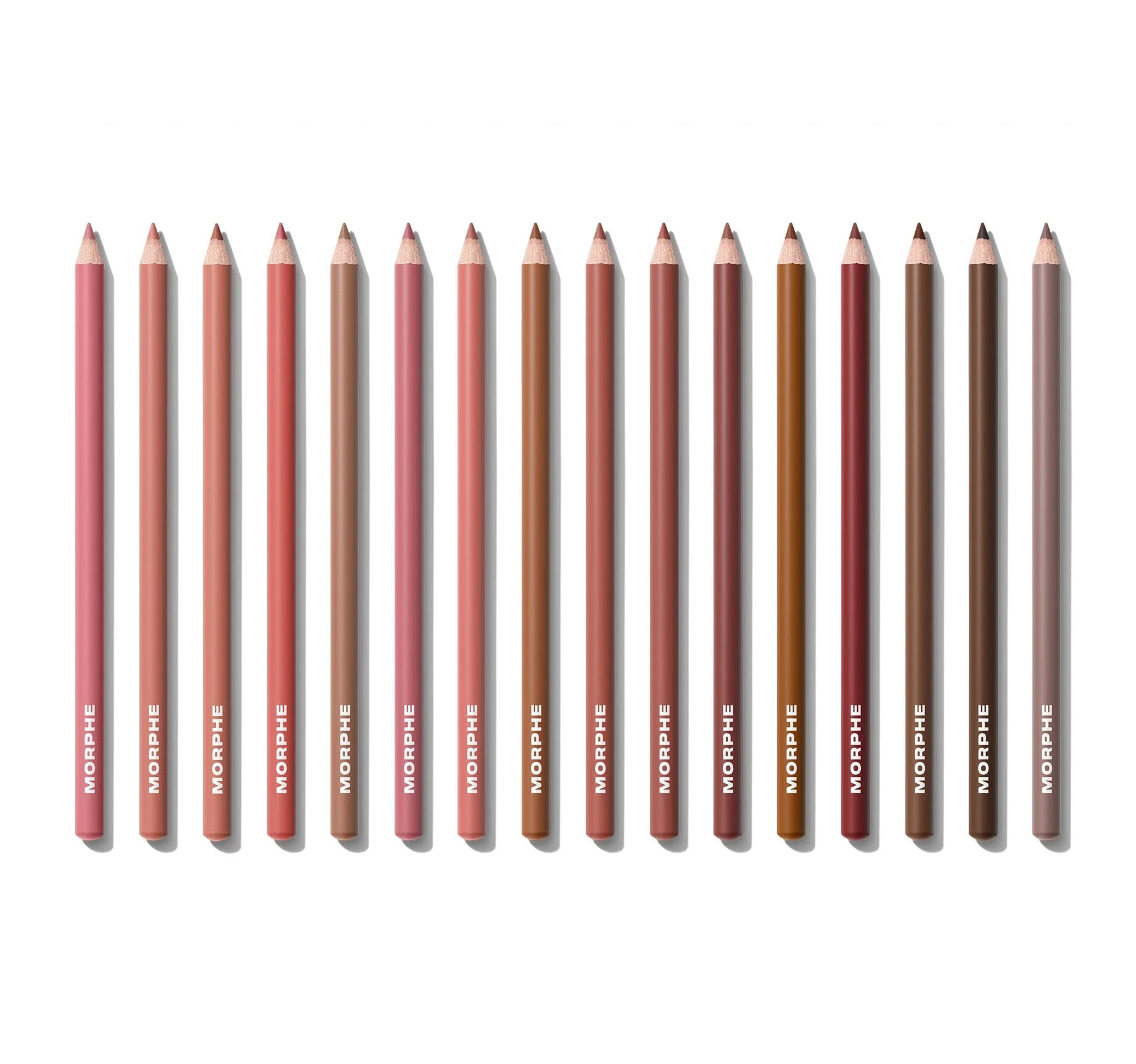
- Pencil-style (retractable or wooden): Classic, precise, and often long-wearing. Wooden pencils need sharpening but offer the most control.
- Cream/gel liners in a pot: Great for filling the entire lip and creating a base. They pair well with bold lipsticks.
- Automatic twist-up liners: Convenient and no sharpening needed. Usually creamier and more hydrating.
Top Lip Liner Mistakes to Avoid
- Choosing a liner that's too dark. A dark liner with a light lipstick creates an unflattering ring. Stick to the one-shade-darker rule.
- Skipping liner altogether with dark lipsticks. Dark shades are notorious for bleeding. A matching liner is non-negotiable.
- Applying liner on dry or chapped lips. The liner will skip and look patchy. Always prep lips first.
- Not blending the liner into the lipstick. A visible line looks dated. Softly blend the liner with a brush or by pressing lips together.
Lip Liner for Bold and Unconventional Lip Colors
For blue, green, purple, or metallic lipsticks, the same rules apply: match the undertone. For a blue-toned purple lipstick, a violet liner is ideal. For a metallic gold lip, a warm bronze or terracotta liner works. You can also use a clear liner or a liner that matches your natural lip color to keep the focus on the bold shade.
Pairing Lip Liner with Lip Gloss and Lip Oils
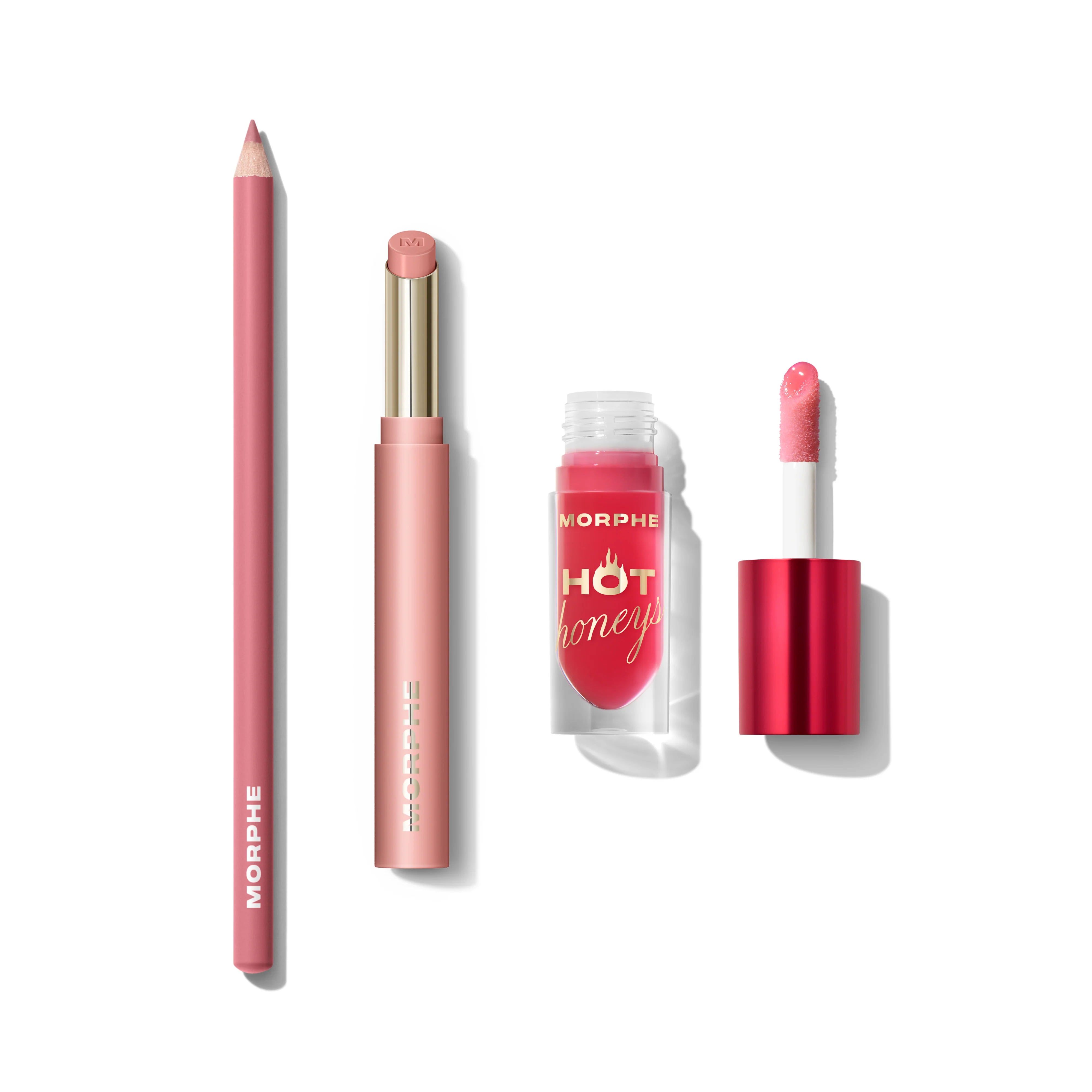
Lip gloss and lip oils are trending, but they can be slippery. A lip liner provides structure and prevents the gloss from migrating. For a glossy look, line and fill the lips with a neutral liner, then apply a clear or tinted gloss. For a monochromatic look, pair a pink liner with a pink gloss. If you're using a tinted lip oil, a matching liner ensures the color stays put even as the oil fades.
Final Thoughts: Build Your Lip Liner Collection
A well-curated lip liner collection should include a few versatile shades: a nude (matching your natural lip), a rosy pink, a true red, and a deep berry. With these four, you can match 90% of your lipsticks. For those who love variety, adding a warm peach and a cool mauve expands your options even further.
Mastering how to match lip liner to lipstick takes practice, but once you understand undertones and intensity, you'll never have a mismatched pout again. Whether you prefer a barely-there nude or a dramatic dark lip, the right liner makes all the difference.
Ready to perfect your lip look? Explore the Lip Filter Hydroplump Soft Matte Lipstick for a comfortable, plumping matte finish that pairs perfectly with a matching liner. Your lips will thank you.