

The wing is a shape problem, not a tool problem
A wing has two jobs: a clean lash line and a tapered flick that ends in a point. Most tools can do one of those well. The question is which one gives you the edge you actually struggle with, whether that is a wobbly lash line or a flick that ends blunt.
The two options worth comparing here are a slanted brush and a sponge tip. They are not interchangeable, and the honest answer is that they suit different formulas and different hands.
How each tip behaves on the eye
- Angled brush: A flat, slanted edge lets you press color along the lash line and drag the tip outward into a point. You control the length of the wing by how far you swipe, so you can build a short flick or extend it. It rewards a steady, light hand and a formula you can move before it sets.
- Sponge tip: A sponge tip is designed for allover complexion application rather than line work. It lays down and blends product across a broad area, which is useful for foundation and cheeks but not for drawing a narrow, tapered line. Using one for a wing means working against its shape.
Why the sponge tip is the wrong tool for a wing
This is the part most comparisons skip. The All Covered Shapable Makeup Sponge is built for complexion application: a rounded bottom for laying down foundation and a fine point for targeting hard-to-reach areas. It is described as usable wet or dry with powders, creams, and liquids.
That fine point can place product in a corner, but it is a blending point, not a drawing edge. Nothing in the supplied product information describes it as an eyeliner tool, and its intended use is allover face application. Expecting it to produce a tapered flick means asking a blender to behave like a pen. If you already own one, keep it for base and concealer and reach for a brush for the wing.
What the M363 is actually built to do
- M363 Angled Eyeliner Brush: WHAT IT DOES: Defines lash lines. BEST FOR: Precision lining. USE WITH: Powders, creams, and liquids. Formula flexibility matters for wings, because gel, liquid, and powder all behave differently on the same slant. You are not locked into one liner type.

M363 Angled Eyeliner Brush - M363 Angled Eyeliner Brush: TECHNIQUES: Lining, stamping, and swiping. The angled tip creates the finest of lines. Stamping is the beginner-friendly move: press the slant along the lashes to build the line, then swipe out for the wing. Two motions, two techniques, one tool.
- M363 Angled Eyeliner Brush: Use the precision slant to stamp color along your lashes, then wing it out to any length you desire. This confirms the wing length is set by your swipe rather than fixed by the tool, which is the main advantage over a pre-shaped stamp or a sponge.
An angled brush eyeliner technique that works with gel, liquid, or powder
The sequence below follows the supplied technique guidance for the M363. Adjust pressure to your formula rather than the other way around.
- Load lightly: Pick up a small amount of product on the slant. Powders, creams, and liquids are all listed as compatible, so the loading step is where you adapt, not the brush.
- Stamp the lash line: Press the angled edge along the lashes to define the line. Stamping builds an even base without dragging.
- Swipe out the wing: Use the precision slant to extend the line outward to the length you want. Start short, then lengthen on a second pass.
- Check the point: The angled tip is designed to create the finest of lines, so the flick should taper. If it looks blunt, the product likely set before you finished the swipe.
Where a sponge tip does earn its place
If your wing keeps failing, the problem may be the base underneath it, not the liner. The All Covered Shapable Makeup Sponge is made of an extra-bouncy, pinchable material that lets you customize its shape at every step of your routine, which helps when maneuvering around the contours of your face and cheeks.
A smoother, more even base makes the lash line easier to follow, and that is the sponge's real contribution to a winged look. Use it for foundation and concealer, then switch to a brush for the liner itself.
The sponge's confirmed role
- All Covered Shapable Makeup Sponge: BEST FOR: Allover application. USE WET OR DRY WITH: Powders, creams, and liquids. Wet or dry use makes it a flexible base tool, but the stated purpose is allover face application, not line work.
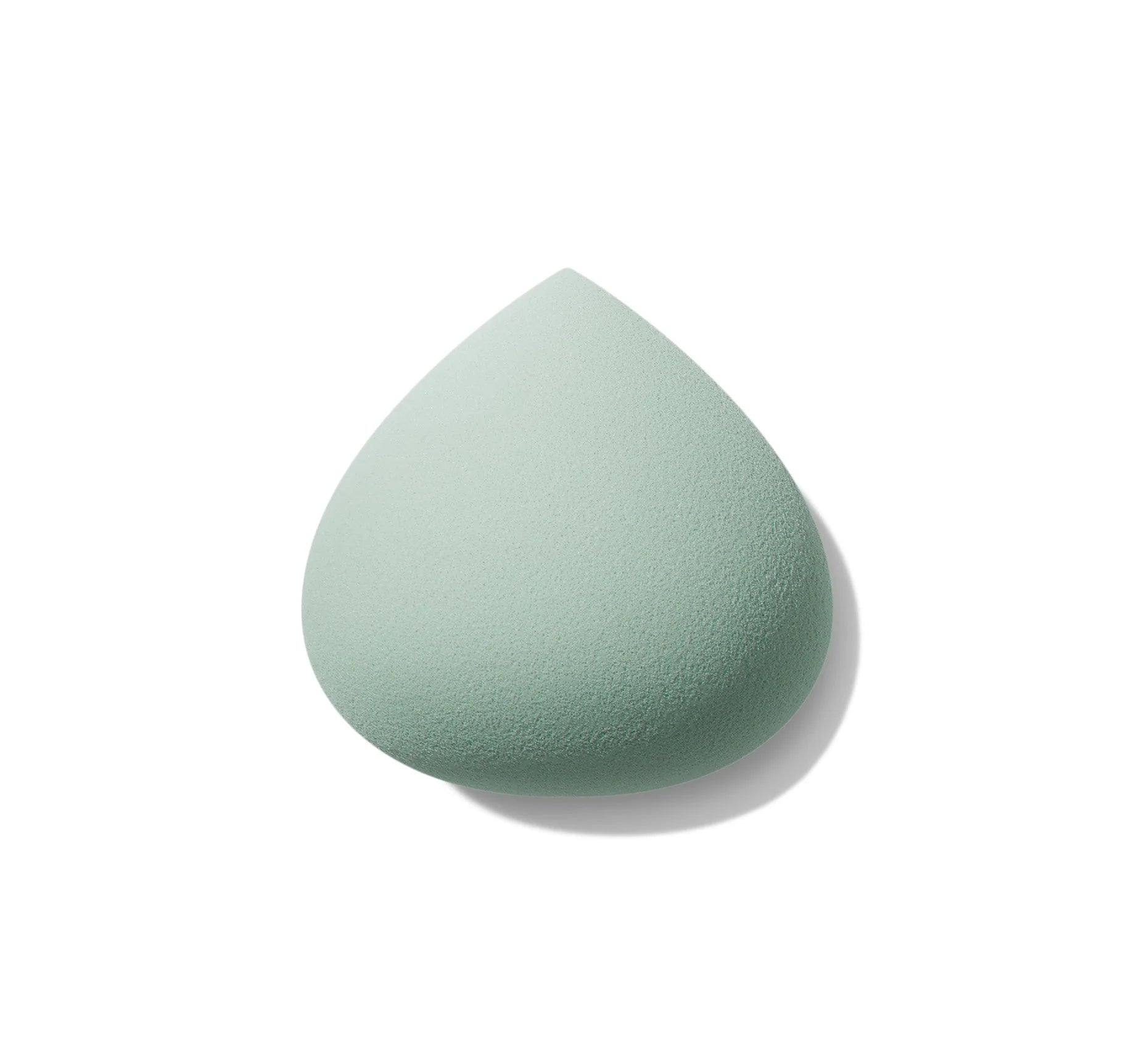
All Covered Shapable Makeup Sponge - All Covered Shapable Makeup Sponge: Manipulate the rounded bottom for laying down foundation and the fine point for targeting hard-to-reach areas. The fine point reaches corners and contours. That is precision placement, which is different from drawing a tapered line.
Which tool fits your routine
- Choose the angled brush if: You want to define the lash line and control wing length yourself, and you switch between gel, liquid, and powder liners. Stamping plus swiping is a learnable sequence for beginners.
- Choose the sponge if: Your priority is an even base for foundation and concealer, including hard-to-reach areas. Keep a separate tool for the liner.
- Buy both if: You want a smooth base and a controlled wing in the same routine. At catalog prices of USD 5.04 for the M363 and USD 5.76 for the sponge, the pair covers base and detail without overlap.
Limitations worth knowing before you buy
The supplied product information for both tools does not include care, cleaning, or replacement guidance, so treat those as questions to confirm with the brand rather than assume. Neither record lists skin suitability or patch-test results, and nothing here should be read as a claim about how either tool performs on sensitive eyes.
One more honest note: a brush does not fix an unsteady hand by itself. Stamping first and swiping second is what makes the technique forgiving. If you expect a tool to draw the wing for you, no slant will do that.


