
They solve different problems
A makeup sponge and a powder puff are often stored side by side, but they don't do the same job. A sponge is built for blending liquid and cream complexion products—foundation, concealer, tinted moisturizer—into the skin. A powder puff is built for pressing loose or pressed powder onto the face to set makeup in place.
That distinction matters when you're deciding what to buy. If you want a smoother foundation application, a sponge is the tool. If you want setting powder to stay put without disturbing the base underneath, a puff is the tool. Using one in place of the other usually leads to a patchy or uneven result.
Why a sponge blends better than a puff
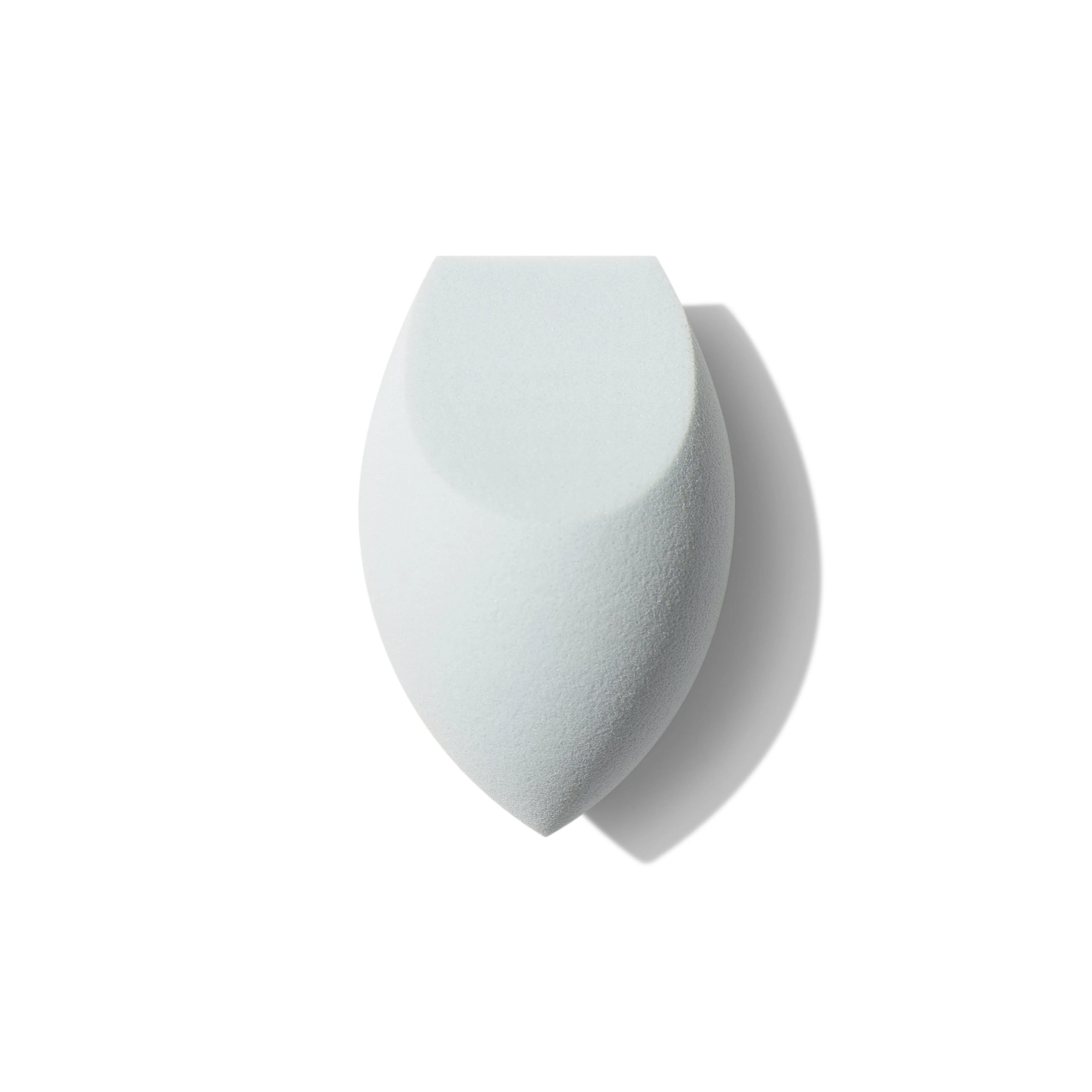
A sponge's job is movement. You bounce, press, and roll it across the skin to work liquid and cream formulas into an even layer. The One & Done Multifunctional Makeup Sponge is designed for that kind of blending: it can be used wet or dry with powders, creams, and liquids. Its multifaceted shape includes rounded edges for quick coverage, a flat surface for building coverage, a fine point for hard-to-reach areas, and a chiseled edge for defining and cleaning up eye, contour, and lip application.
A powder puff, by contrast, is not designed to blend liquid foundation. Its surface is meant to pick up powder and press it into place, not to move cream around the face. If you try to apply foundation with a puff, you'll likely get streaks and uneven coverage rather than a seamless finish.
Sponge evidence for blending
- One & Done Multifunctional Makeup Sponge: Use wet or dry with powders, creams, and liquids. This confirms the sponge is intended for liquid and cream complexion products, which are the formulas that need blending.

One & Done Multifunctional Makeup Sponge - One & Done Multifunctional Makeup Sponge: Multifaceted shape: rounded edges for quick coverage, flat surface for building, fine point for hard-to-reach areas, chiseled edge for defining. Each shape gives you a different blending motion, so one sponge can handle foundation, concealer, and targeted cleanup.
Why a puff sets powder better than a sponge
Setting powder needs pressure, not blending. You want to press powder into the skin so it locks onto the base without dragging or wiping away foundation. A puff's plush material is designed to pick up powder and lay it down evenly, while a pointed tip can press powder into hard-to-reach areas like under the eyes or around the nose.
The To the Point Mini Powder Puff Trio is built for exactly that: ultraprecision undereye setting. Each puff has a petite diamond shape and an elastic band for a controlled hold. The tip is the part that presses powder into tight spots. This is a dry-use tool—it's meant for powders only, not liquids or creams.
Puff evidence for setting
- To The Point Mini Powder Puff Trio: Best for ultraprecision setting; use dry with powders. This tells you the puff is a dedicated powder tool, not a multi-use blender.

To The Point Mini Powder Puff Trio - To The Point Mini Powder Puff Trio: Three petite diamond-shaped puffs with plush material and an elastic band for a controlled hold. The shape and band are designed for precise, controlled pressing—exactly what setting powder needs.
Head-to-head: which tool for which step
Use this as a quick guide when you're standing in front of your makeup bag.
- Liquid or cream foundation: Reach for the One & Done Multifunctional Makeup Sponge. It's designed to blend creams and liquids, and the flat surface helps build coverage.
- Concealer under the eyes: The sponge's fine point can target hard-to-reach areas. A puff is not designed for blending cream concealer.
- Setting powder under the eyes: Use the To the Point Mini Powder Puff Trio. The diamond tip presses powder precisely into the undereye area without disturbing concealer.
- All-over setting powder: A puff can press powder onto the face, but the mini size is specifically suited to ultraprecision undereye setting. For larger areas, you may prefer a larger puff or a brush, though those aren't covered by the supplied evidence here.
- Touch-ups during the day: A puff is easier to carry for powder touch-ups, but the mini trio is designed for precision, not full-face coverage. The sponge is not intended for dry powder touch-ups.
What the evidence doesn't tell you
The supplied product information doesn't specify cleanability, lifespan, or material composition for either tool. It also doesn't confirm whether the sponge can be used with powder foundation—only that it's for use wet or dry with powders, creams, and liquids. For the puff, there's no guidance on washing or reuse. If those details matter to you, check the packaging or the brand's care instructions before buying.
What the evidence does make clear is the intended use: the sponge blends, the puff sets. That division of labor is the most reliable way to choose between them.
The practical answer
If you're choosing one tool, pick based on your biggest frustration. If your foundation looks streaky or uneven, the One & Done Multifunctional Makeup Sponge is the better fit. If your setting powder doesn't stay put or disrupts your concealer, the To the Point Mini Powder Puff Trio is the better fit. Many routines use both: sponge first for blending, puff second for setting. That's not upselling—it's just matching each tool to the step it was designed for.


